
What Is a Modular Exhibition Stand?
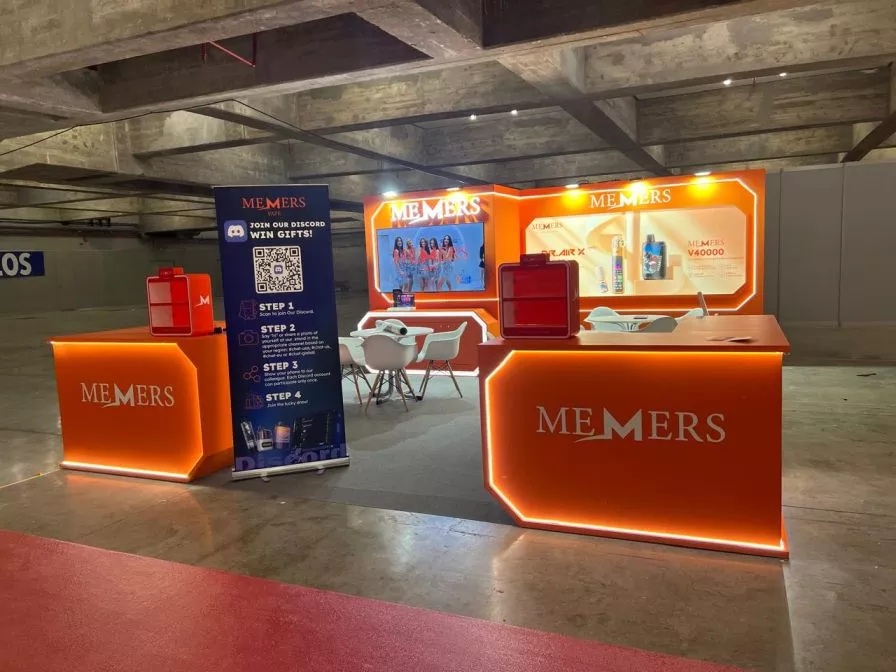
A modular exhibition stand is built from a system of standardised, reusable components — aluminium frames, connector panels, and interchangeable graphics — that can be assembled into different shapes and sizes rather than built once and thrown away. The same core system that builds a compact 9sqm booth this month can be reconfigured into a larger island stand next month, without a full rebuild.
You’ll often see “modular” and “portable exhibition stand” used to mean roughly the same thing, and in practice they overlap heavily — both describe stands designed for repeated use rather than a single show. Where they differ is scale and permanence: portable leans toward smaller, lighter, self-carry setups, while modular covers everything from those same small booths up to large, reconfigurable structures with lighting, storage, and meeting areas built in.
Ready to Elevate Your Exhibition Presence?
Why Exhibitors Choose Modular Over a One-Off Build
- Reusable across every show — one system, redeployed instead of rebuilt each time you exhibit.
- Lower cost per event over time — the bigger investment is upfront; every show after that mainly costs graphics and logistics.
- Fast to assemble, fast to pack down — most modular systems install without specialist tools or a full production crew.
- Reconfigurable to any floor space — the same components scale from a small booth to a much larger footprint.
- A genuinely more sustainable choice — reused frames and panels generate far less waste than a single-use custom build, which is why sustainability-conscious procurement teams increasingly default to modular by policy, not just preference.
- Still makes a strong visual impression — modern printed graphics, lighting, and finish quality mean modular no longer looks like the "budget option" it once did.
What Actually Goes Into a Modular Exhibition Stand
Underneath the graphics, every modular exhibition stand is an engineering system, not just a display. Lightweight aluminium frames form the structural skeleton — strong enough to be assembled and disassembled dozens of times without weakening, and light enough to keep shipping and storage costs manageable. Panels attach to that frame using standardised connectors, which is what makes reconfiguration possible: the same panels that build a 3m run this show can be rearranged into an L-shape or island layout at the next.
Graphics are typically dye-sublimation printed onto stretch fabric or rigid panel inserts, giving sharp, consistent colour under show lighting — and critically, they’re the one element designed to be replaced or updated between shows, so your stand’s message can change without touching the structure underneath. Lighting, shelving, counters, and screens attach directly into the frame system rather than being bolted on as afterthoughts, which is what separates a well-built modular stand from one that visibly looks assembled from parts.
The exhibition industry itself is a serious scale of activity — global trade shows and exhibitions in 2026 drew more than 325 million visitors and generated close to €392.7 billion in economic impact worldwide, according to UFI’s Global Exhibition Barometer. A stand built to be redeployed across multiple events isn’t a minor cost-saving trick against that backdrop — it’s the more rational way to show up repeatedly in an industry operating at that scale.
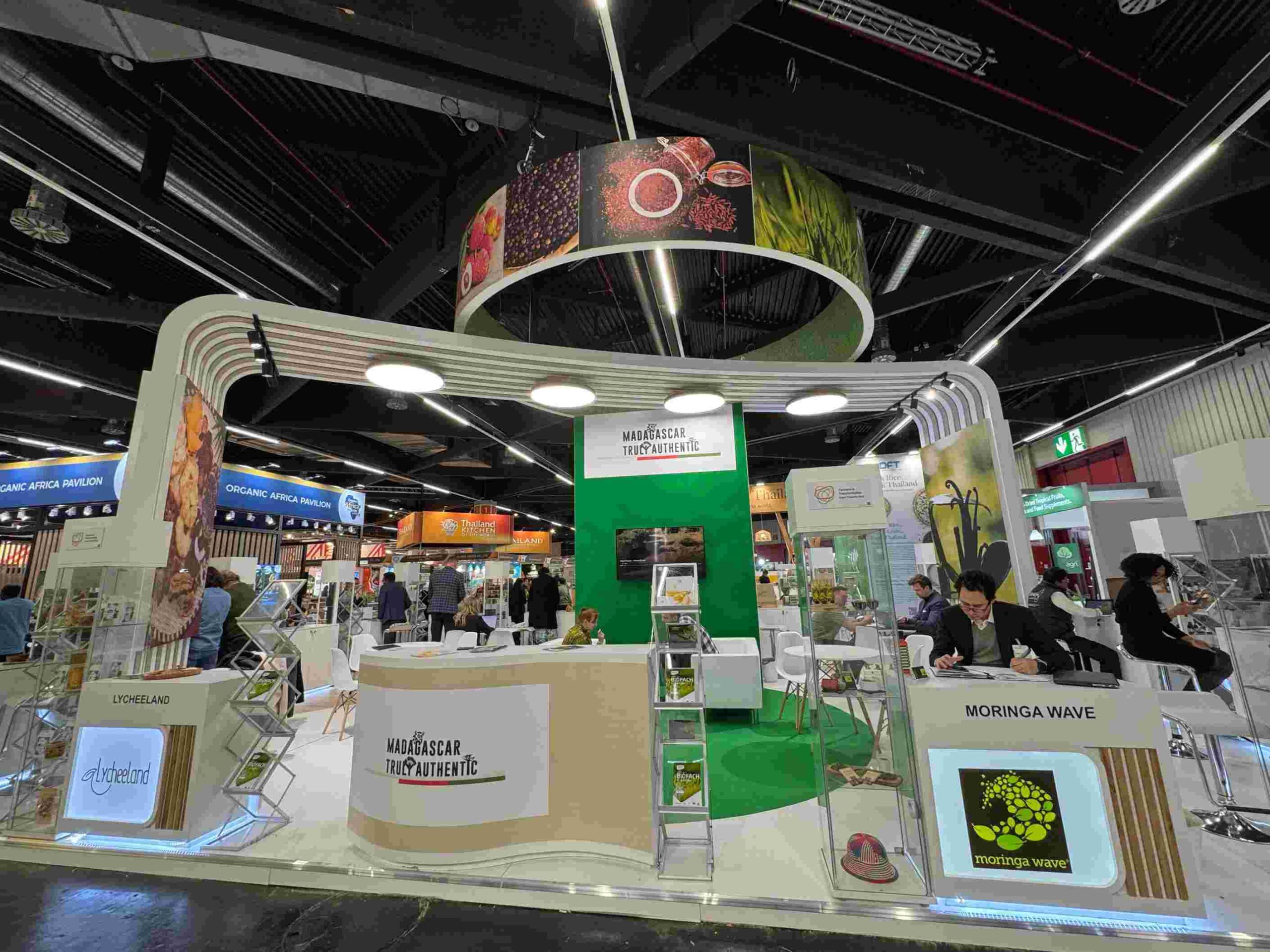
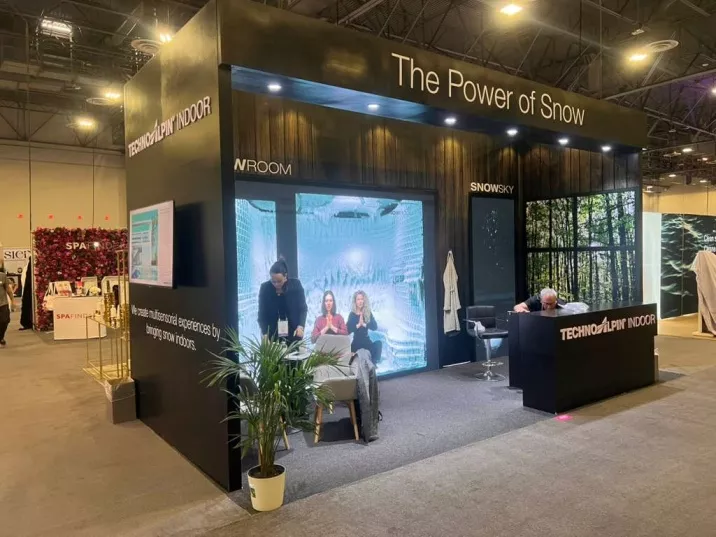
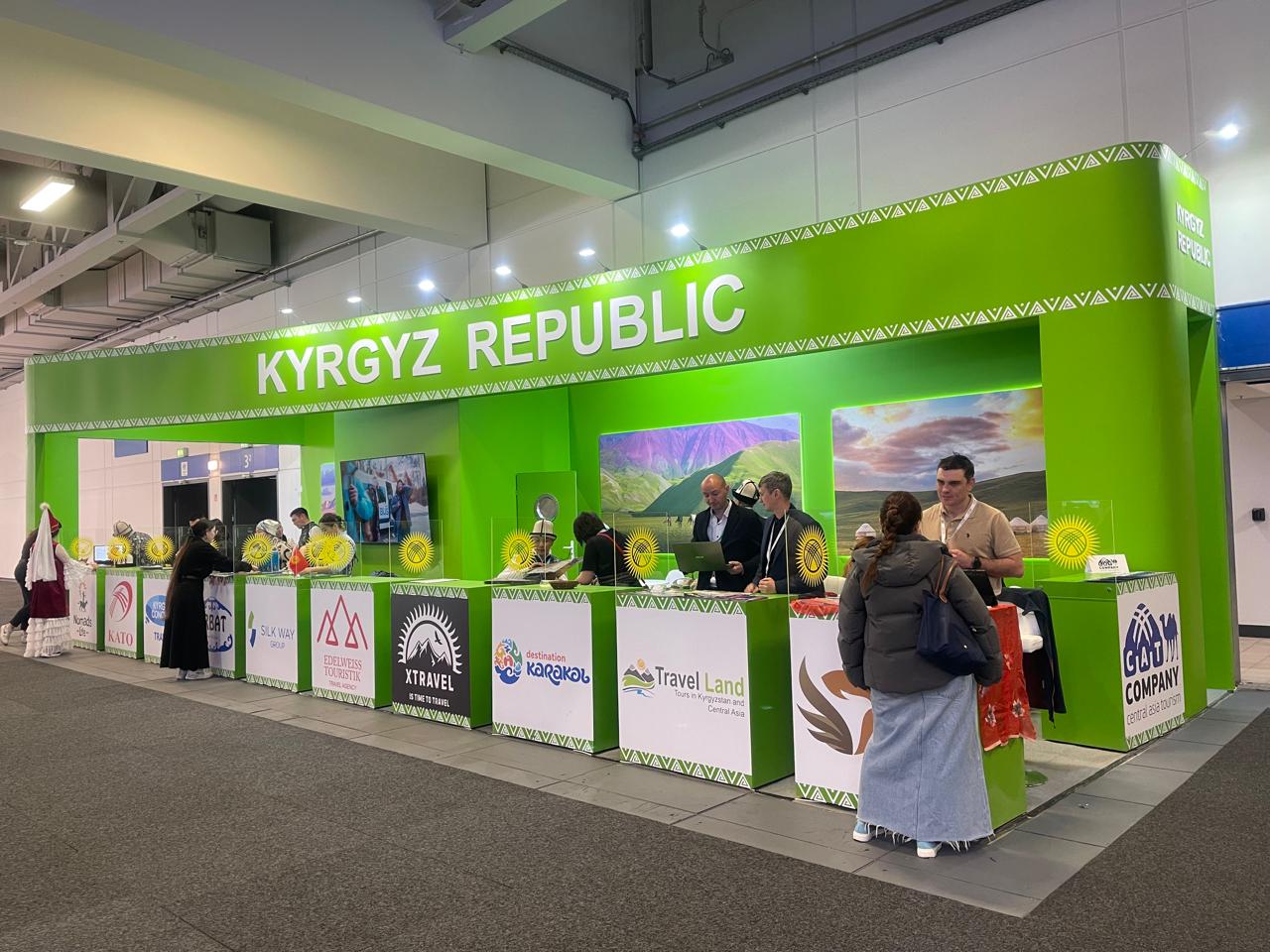
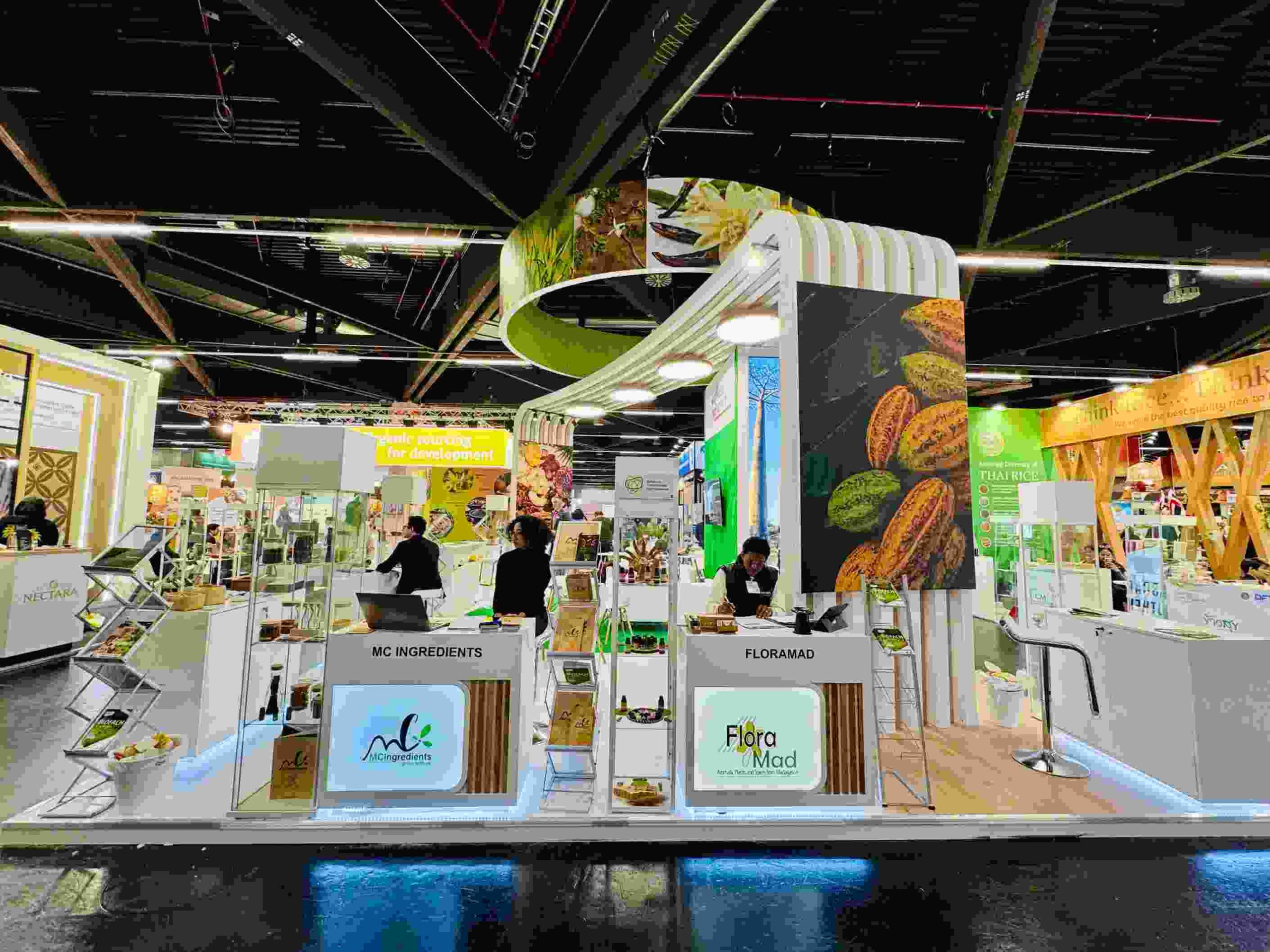
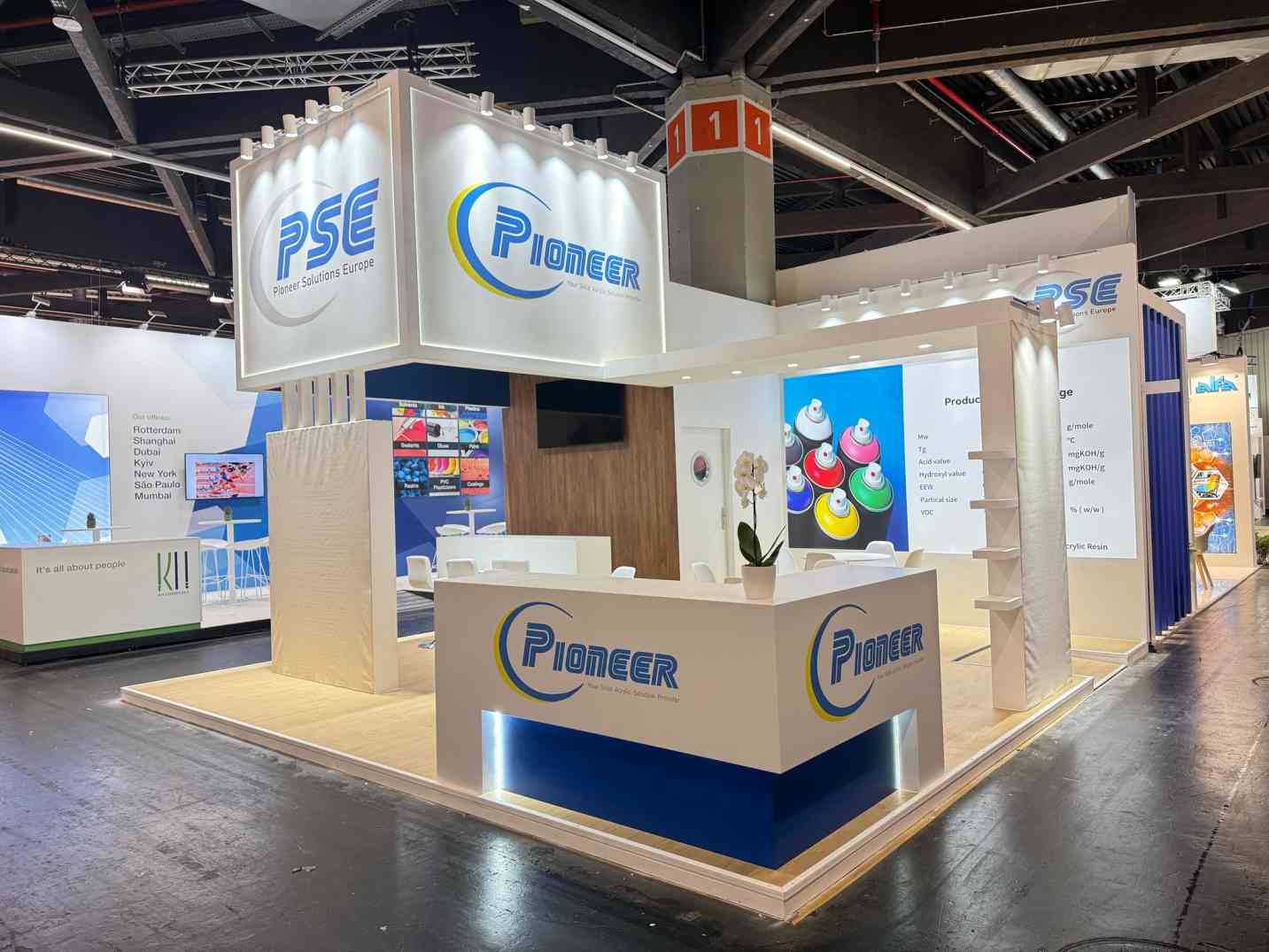
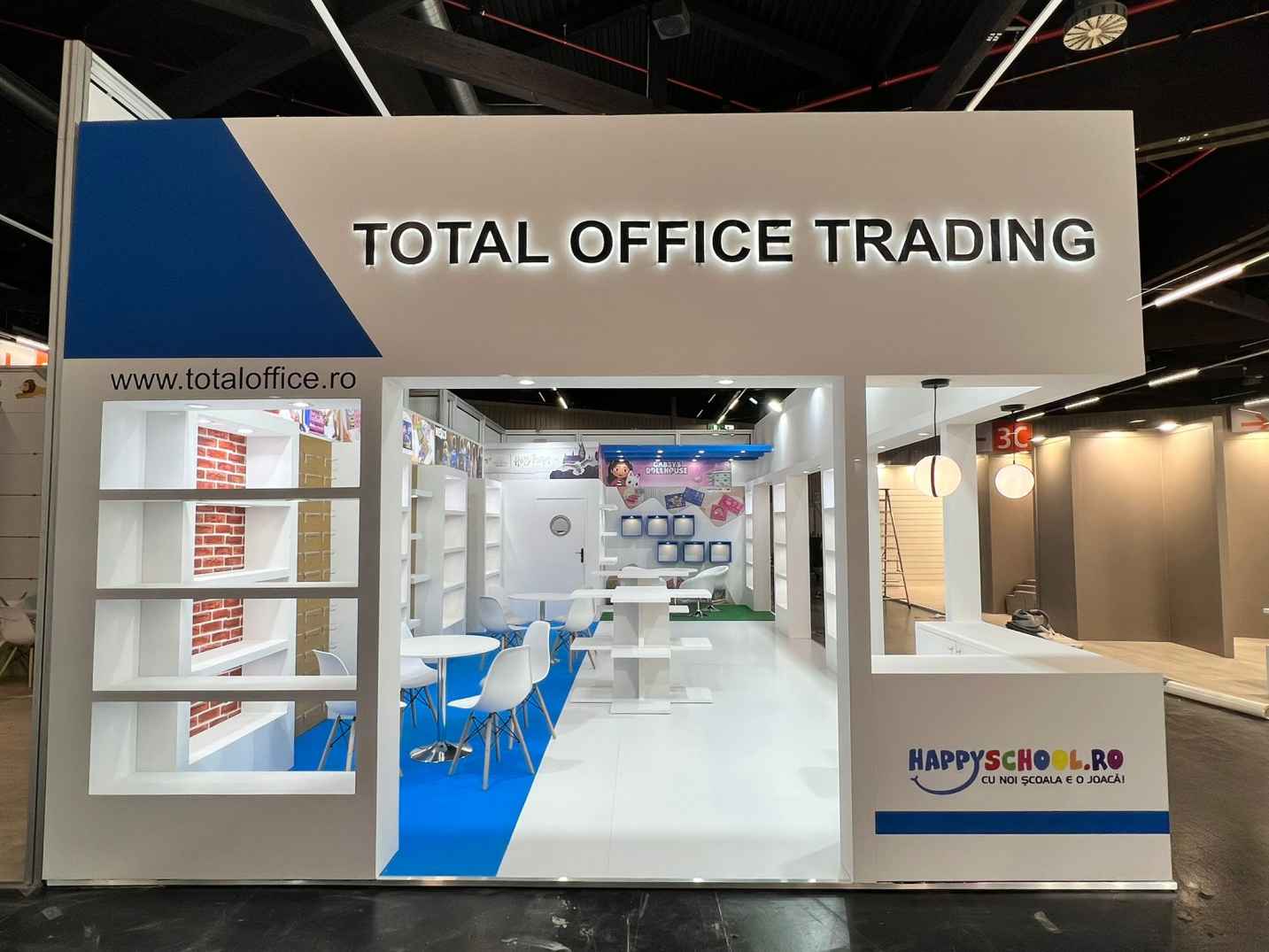
Modular Exhibition Stand Design and Build, Start to Finish
Every modular project we run covers concept and design, frame and material selection, graphics production, furniture and lighting integration, transport cases, delivery, and on-site assembly support if you’d rather not self-build.
One dedicated project manager oversees design and production, so the specification you approve is exactly what arrives — no downgraded materials or last-minute substitutions once the order is placed.
Should You Rent or Buy Your Modular Exhibition Stand?
This is the decision most exhibitors actually need help with, and it comes down almost entirely to how often you show up on the floor. If you exhibit once or twice a year, renting a modular system usually makes more financial sense — lower upfront cost, no storage to manage between shows. If you’re attending three or more shows annually, buying typically pays for itself within a year or two, since you’re no longer paying rebuild or rental fees at every single event.
We’ll give you an honest read on where your break-even point sits based on your actual show calendar, rather than defaulting to whichever option suits us better to sell.
Ready to Elevate Your Exhibition Presence?
Why Brands Choose Exhibit Elevate for Modular Exhibition Stands
A modular exhibition stand only makes sense if it’s designed to be reconfigured, rather than touted as flexible but silently coming apart after two exhibitions. We build every system with the frame quality and connector engineering to be reassembled dozens of times, backed by one team handling design, materials, graphics, and on-site support from your first brief onward.
If you’re planning your next few shows and want a stand that keeps earning its cost with every reuse, let’s talk. Get a initial concept and an honest recommendation on whether modular, portable, or a hybrid build fits your calendar best.