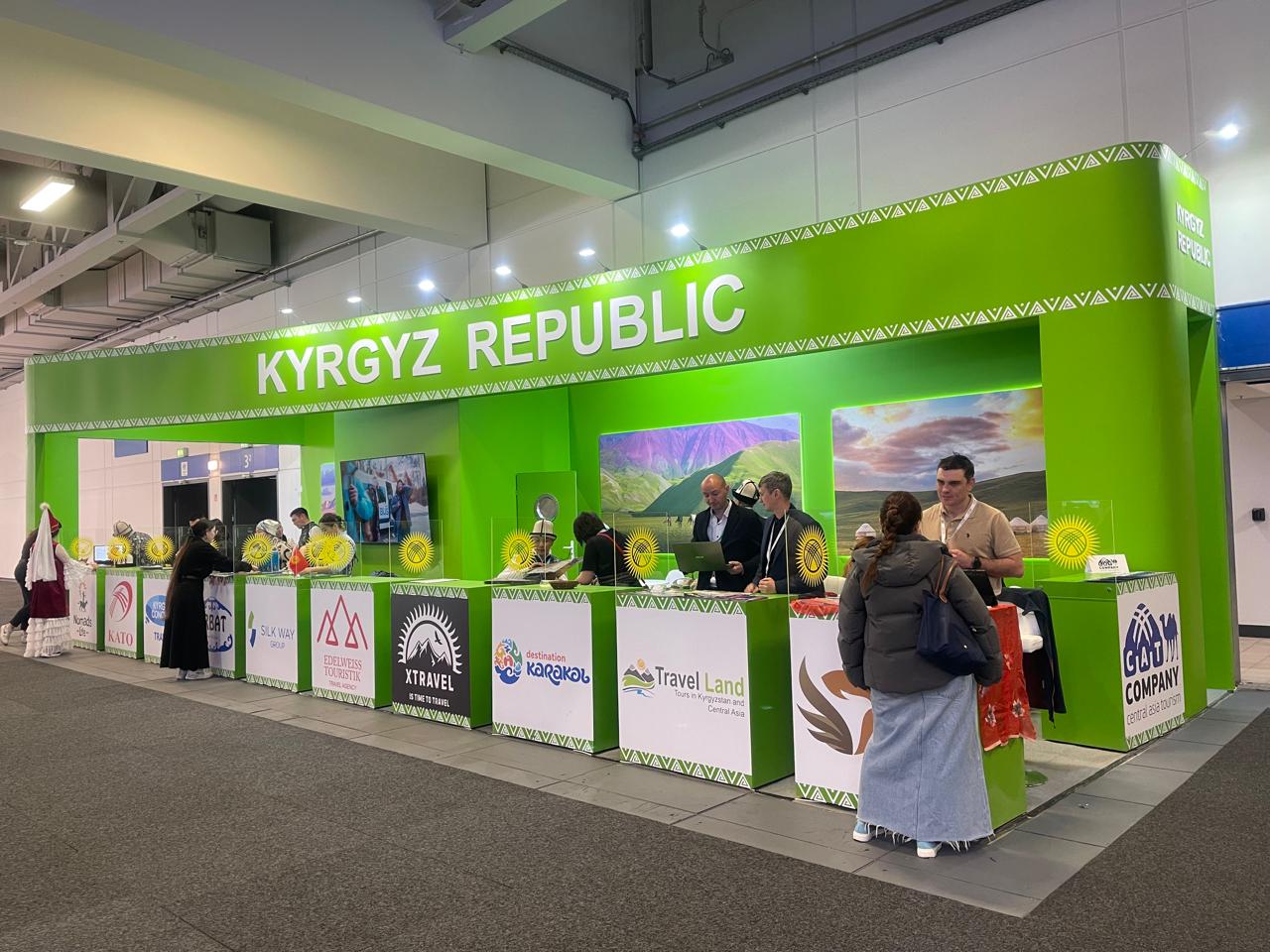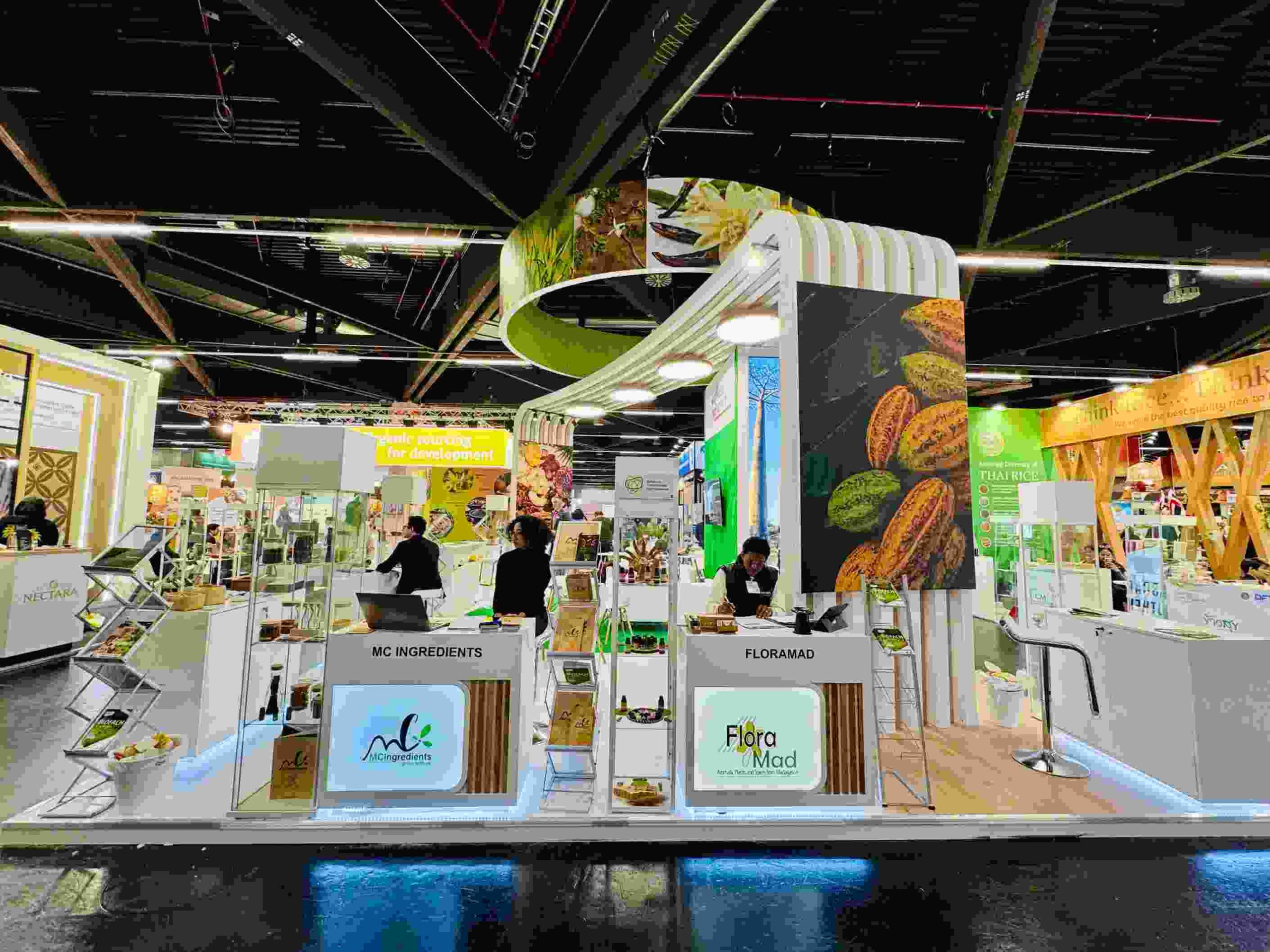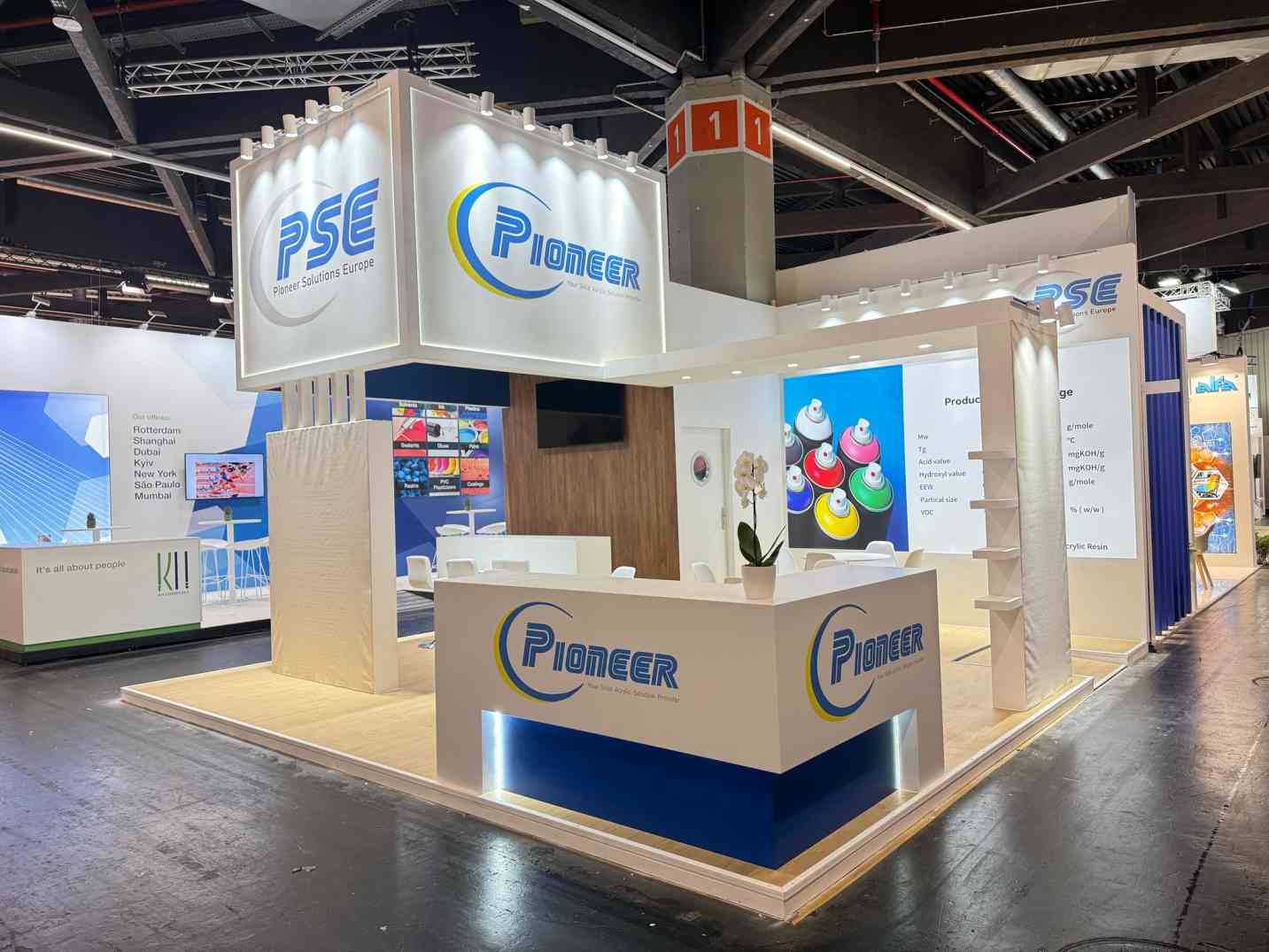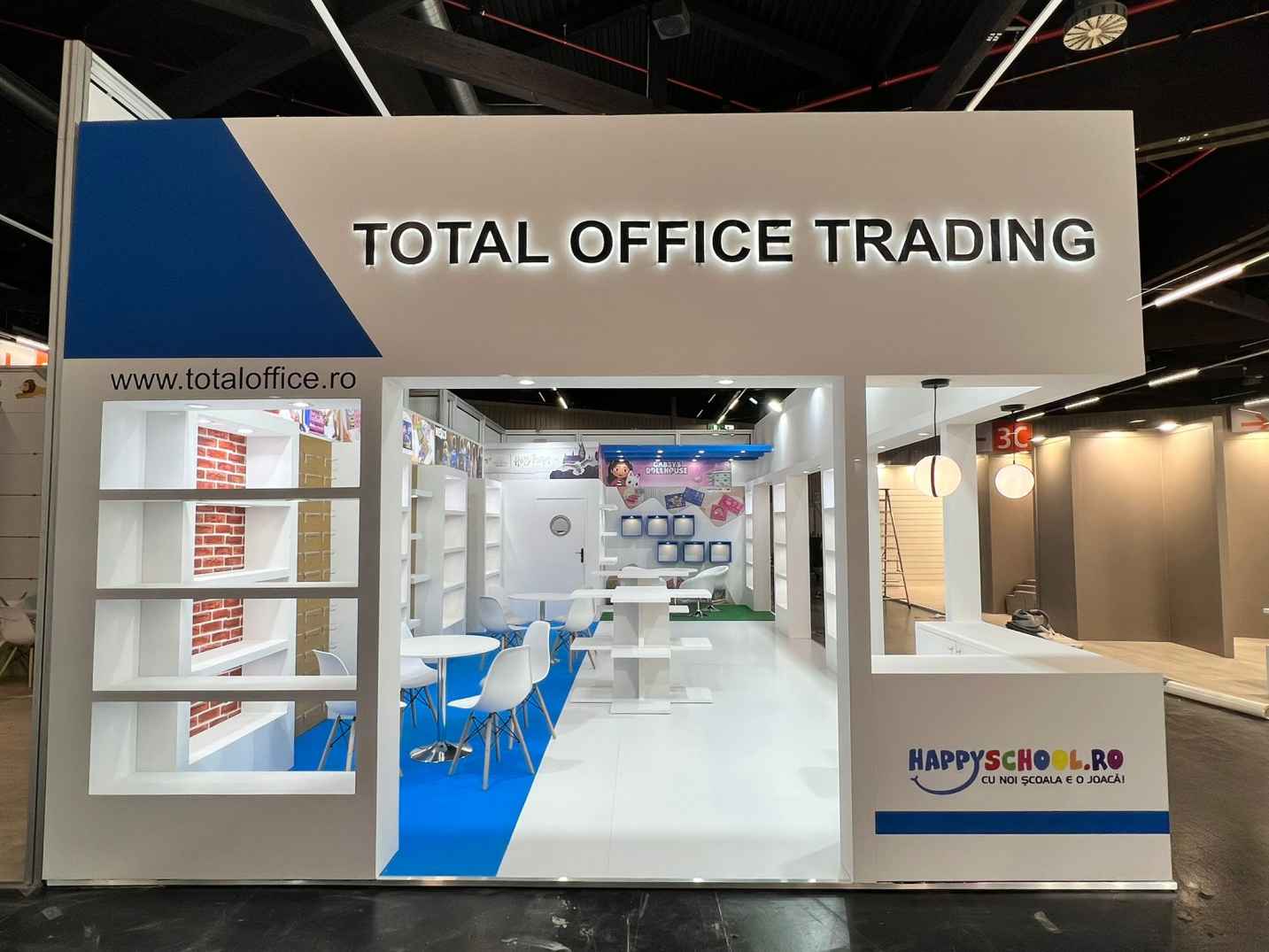
Let’s start with something most people won’t say out loud.
A lot of businesses show up to trade shows underprepared. Not on purpose — they just underestimate what goes into building a stand that actually works. They piece something together “last-minute,” hope it looks good enough, and then wonder why the footfall didn’t convert.
The exhibitors who consistently walk away with strong leads, great conversations, and a real return on their investment almost always have one thing in common: they hired professionals to handle the build.
This is where a Professional Exhibition Stand Builder makes a real difference.
There’s a difference between someone who builds exhibition stands and someone who understands how they work. The second kind knows how visitors move through a space — which layouts make people stop, and which ones let them walk straight past. They understand lighting, sightlines, open versus closed layouts, and the psychology of what draws someone off a busy aisle.
That knowledge gets built into the design from day one. It’s not something you can replicate with a template or a last-minute brief to a generic contractor. When you work with an experienced stand builder, you’re getting years of show-floor experience applied to your specific brand and your specific goal — the difference between a stand that looks good in photos and one that actually performs on the day.
The Venue Has Rules. A Lot of Them.
Every exhibition venue comes with its own technical manual: height restrictions, aisle clearance requirements, electrical compliance submissions, structural sign-off requirements, rules about what materials are permitted.
Miss something in that document and you’re facing forced changes on a live deadline — sometimes hours before the show opens. It happens at nearly every major event. Just never to the teams who hired a contractor who’d already read it.
A professional team designs around the constraints before they become problems, not after. For international shows — in Germany, Dubai, the US, or across Europe — they also know the specific requirements for those venues, saving you an enormous amount of back-and-forth with organizers.
‘Fine’ Isn’t Good Enough on a Trade Show Floor.
Here’s the honest truth about self-managed exhibition stands: most of them land somewhere around “fine.” Fine graphics. Fine layout. Fine enough that nobody says anything negative — but not strong enough to make people stop.
A proper design process starts from a very different place. It starts with what you want visitors to feel, think, and do, then works backward into every decision: how your headline reads at ten metres, whether the layout invites people in or keeps them at arm’s length, whether the lighting makes your product look its best or just fills the space.
These details are the difference between a stand that generates 20 conversations a day and one that generates 60 — and the gap often has nothing to do with your product or your team.
It Frees Up the Time You Actually Need.
Managing a stand build yourself is a full project: supplier coordination, graphic briefing and proofing, logistics and delivery, venue compliance paperwork, installation scheduling. That list doesn’t shrink as the event date gets closer — it grows.
When you hand the build to a professional stand design company, that project lives with them. You approve at the right moments, stay in the loop, and then focus on what actually matters: preparing your team, planning your meetings, and showing up ready to exhibit. A professional team typically covers:
- Design, production, and print management
- Transport and venue delivery coordination
- On-site installation, including overnight builds
- Post-show dismantling and storage
That’s weeks of work taken entirely off your plate — and it shows in how your team arrives at the event: calm, prepared, and focused.
Something Will Go Wrong. It Always Does.
Ask any experienced exhibitor and they’ll tell you — something unexpected happens at almost every show. A panel arrives damaged. The power point isn’t where the floor plan said it would be. A graphic has a colour shift under venue lighting that nobody spotted in the proof.
When you’re managing the stand yourself, those problems land directly on you. When you have a professional team on site, they get handled — usually before you even know they happened. In the final hours before a show opens, calm problem-solving is worth as much as the build itself.
The Investment Makes More Sense Than You Think.
The cost of professional stand services is the one part of the event budget that directly determines how well every other part performs. Consider what’s already on the line: floor space, travel, accommodation, staff time away from the business. The stand determines how well everything else performs.
A stand built around a specific brief, designed for a specific audience, and built in materials that communicate quality is a commercial tool — its return should be measured against the whole event budget, not just its own line item. Factor in the cost of last-minute reprints, emergency logistics, and rushed changes that come with self-managed builds, and the gap between professional and DIY closes faster than most people expect.
How Exhibit Elevate Can Help.
At Exhibit Elevate, we design, build, and install exhibition stands for brands across Europe, the UK, the United States, and Dubai. We work with businesses at every stage — whether it’s their first show or their fifteenth — and manage everything end to end, from the initial brief through post-show dismantling.
We ask the right questions before anything gets designed. We push back when something won’t work commercially. And we deliver stands your team walks onto with confidence.
If you’re planning your next exhibition and want a team that takes the build as seriously as you take the event, get in touch. We’ll design it, build it, and have it ready when you arrive.
Don’t Let the Stand Be the Weak Link.
Every element of your exhibition is connected. The floor space you paid for, the flights and hotels, the staff days out of the business, the pre-show outreach, the meetings you have scheduled — all of it converges on one point: the stand your team stands in for three, four, or five days.
That stand is either doing its job or it isn’t — either stopping the right people, communicating the right message, and giving your team the environment they need for real commercial conversations, or letting them down quietly while costing the same amount regardless.
The exhibitors who consistently walk away with strong leads, great media coverage, and a genuine return aren’t the ones with the biggest budgets. They’re the ones who treated the stand as a commercial tool — designed for a specific audience, built to a specific brief, delivered by people who understood what it needed to do.
That’s the real decision here. Not whether to invest in a professional stand, but whether to treat this show as the commercial opportunity it is — and make sure the stand is the strongest part of it, not the weakest.