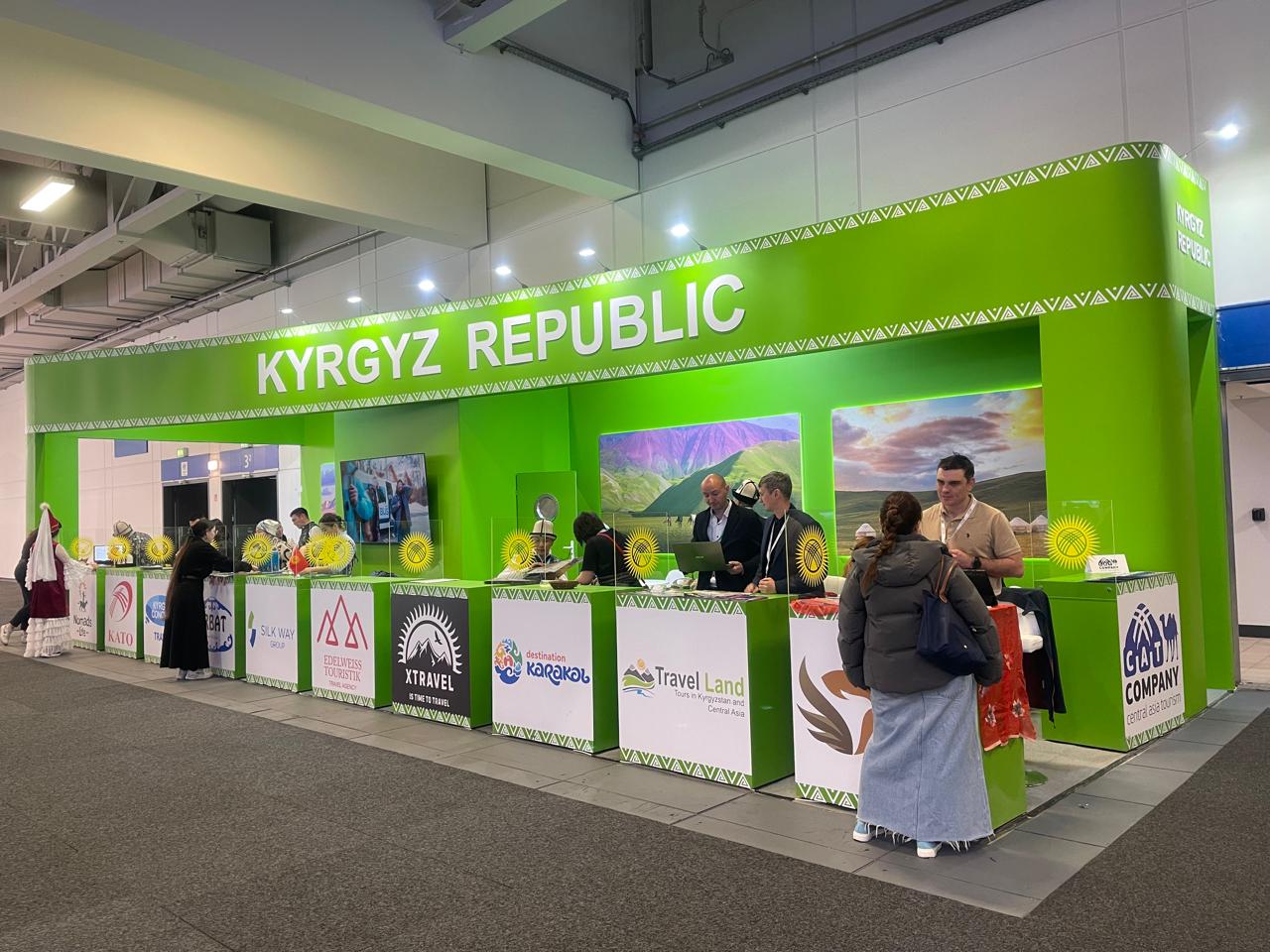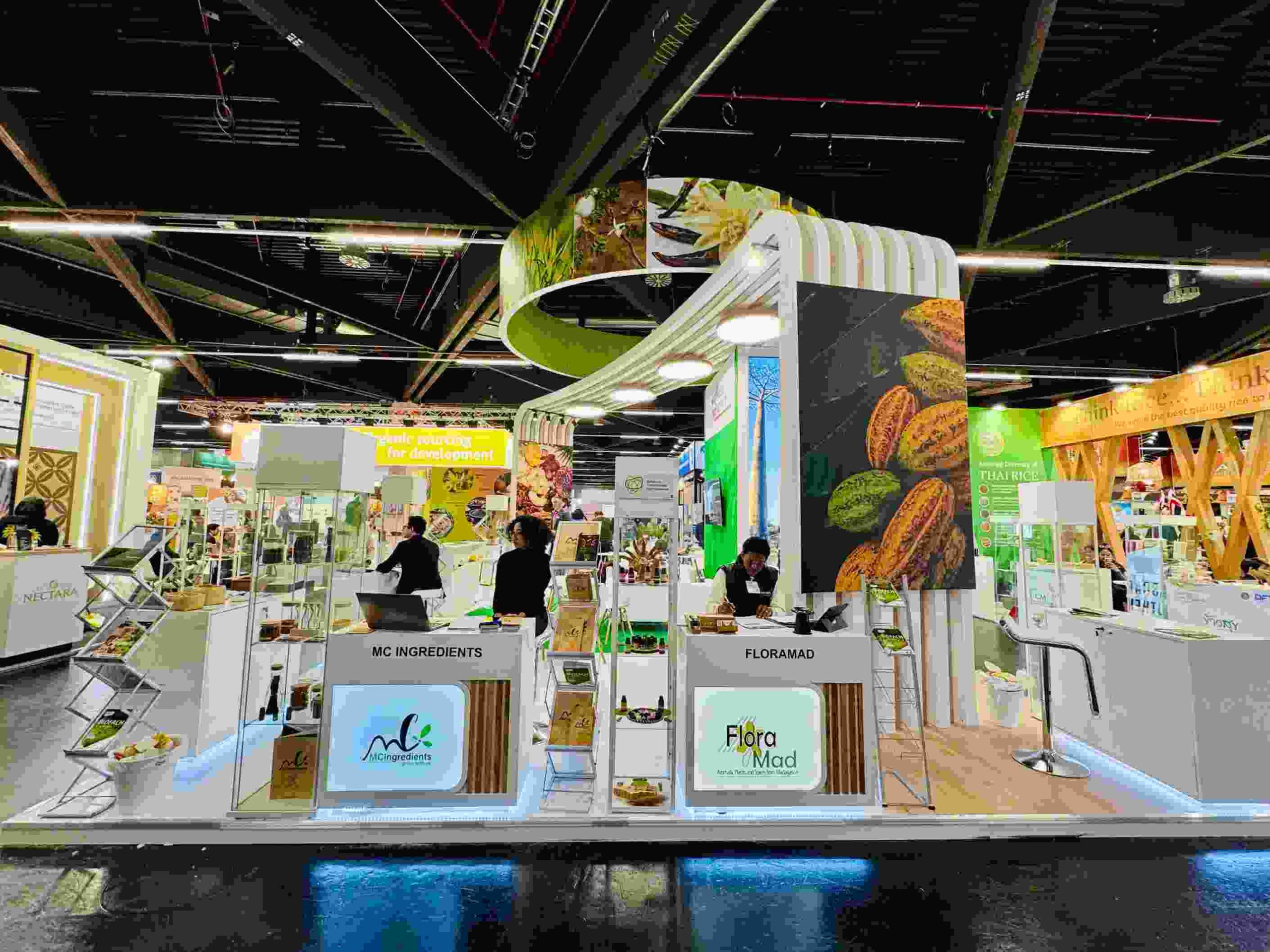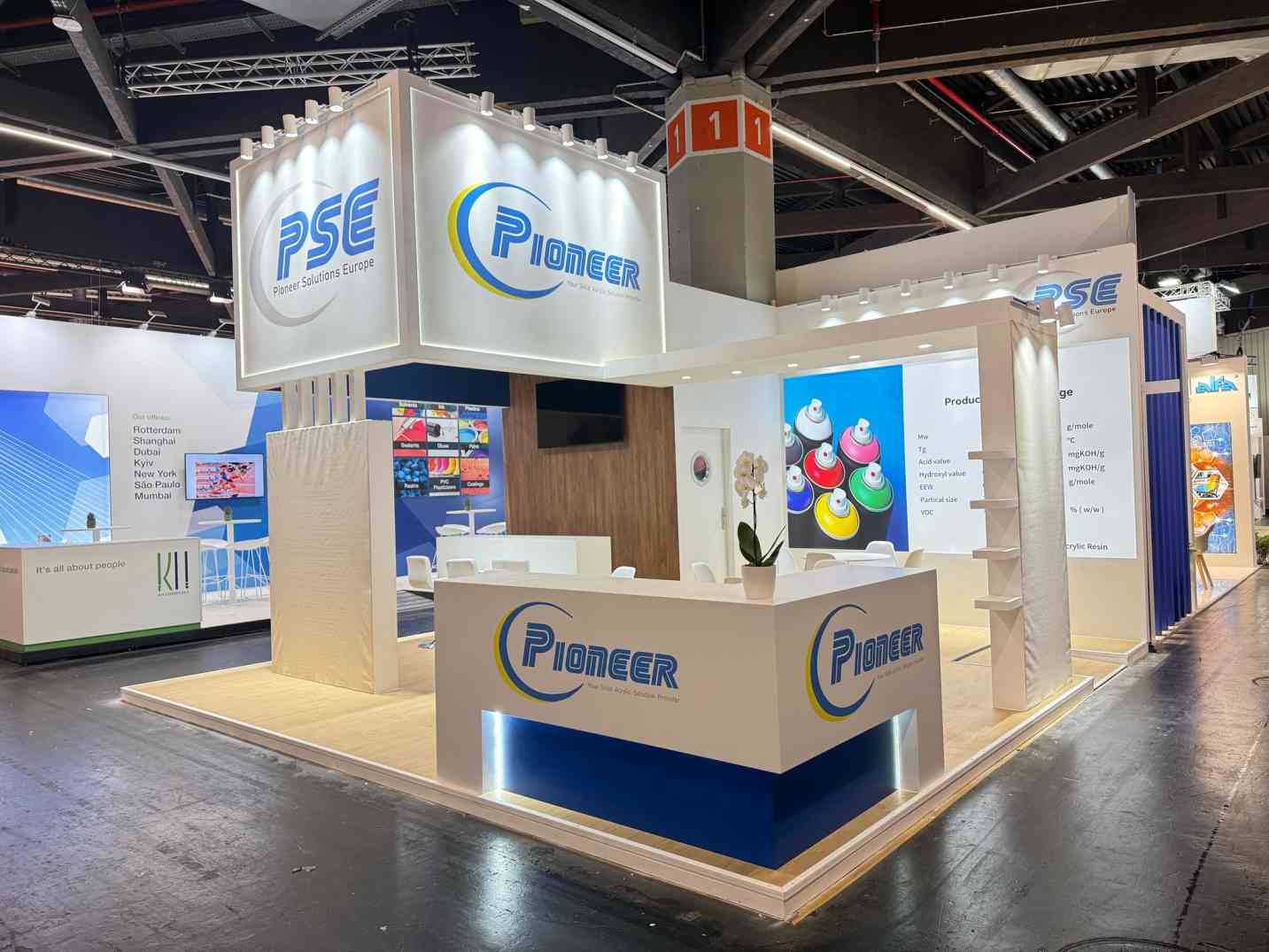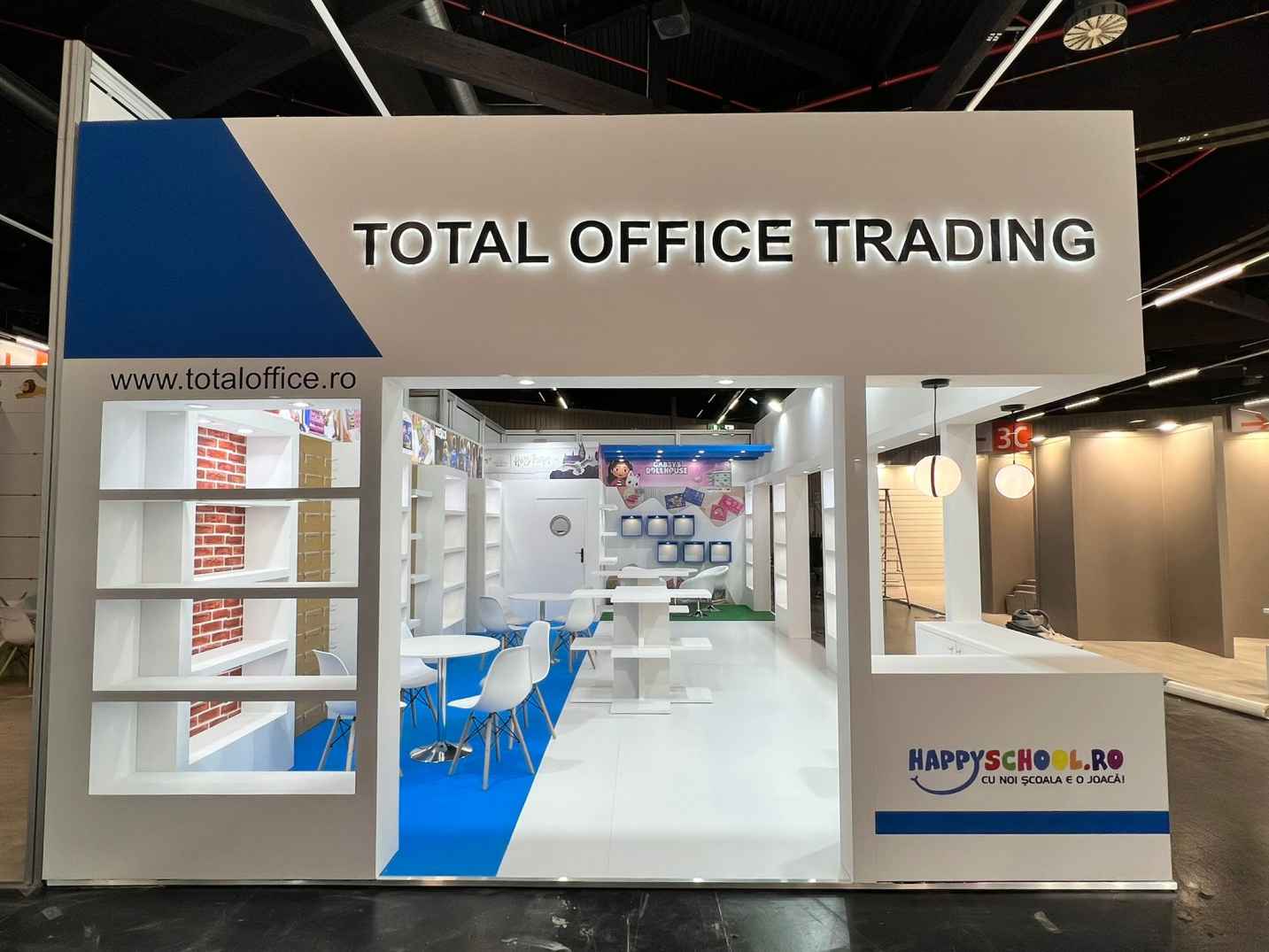
Picture this. You’ve paid for the floor space. The dates are confirmed. You’ve notified your team you’re showcasing at one of the largest shows of the year.
Then the emails start to pile up.
The venue requires your structural designs by Thursday. The freight company needs to validate the dimensions of the crate. The graphic printer is asking for final artwork. Your stand contractor is waiting on permits. Your logistics team doesn’t know where the boxes are going. And somewhere in the middle of all this, you’re still supposed to be running your actual business.
This is the reality of managing a trade show stand when too many hands are involved and nobody fully owns the process. And it’s precisely why more exhibitors — from startups at regional expos to global brands at GITEX and Hannover Messe — are moving to end-to-end exhibition stand management. Not because it’s easier. But Because it works.
According to CEIR, exhibitors who invest in professionally designed stands generate up to 38% higher qualified lead volume than those using shell scheme booths — and yet the single biggest reason stands underperform isn’t the design. It’s the mess of too many different providers each with a piece of responsibility and no one with responsibility for the whole.”
Let’s break down what end-to-end exhibition stand management is, why it’s important and what to consider when picking the proper partner.
What “End-to-End Exhibition Stand Management” Actually Means
The phrase gets used a lot. But what does it actually cover?
A genuine end-to-end service takes ownership of every stage of your exhibition — from the first design conversation to the moment the last panel comes down and gets packed into a crate. That includes:
- Design and concept — translating your brand brief into a stand that works for the specific venue, floor position, and audience at that show.
- Engineering and permits — preparing structural drawings, fire safety documentation, and venue submissions so you’re not scrambling two weeks before opening day.
- Manufacturing & Fabrication – create the stand to spec, on time, with the same materials as approved.
- Logistics and goods — transporting every element from workshop to show floor without damage, delay or customs hassles.
- Installation and supervision — putting it all together on-site with an experienced crew who know that venue, that build type, and that timeline.
- On-site support — being present during the show to handle anything that needs fixing, adjusting, or replacing.
- Dismantling and storage — breaking it all down cleanly after the show, storing components if you’re using a modular system, and handling waste responsibly.
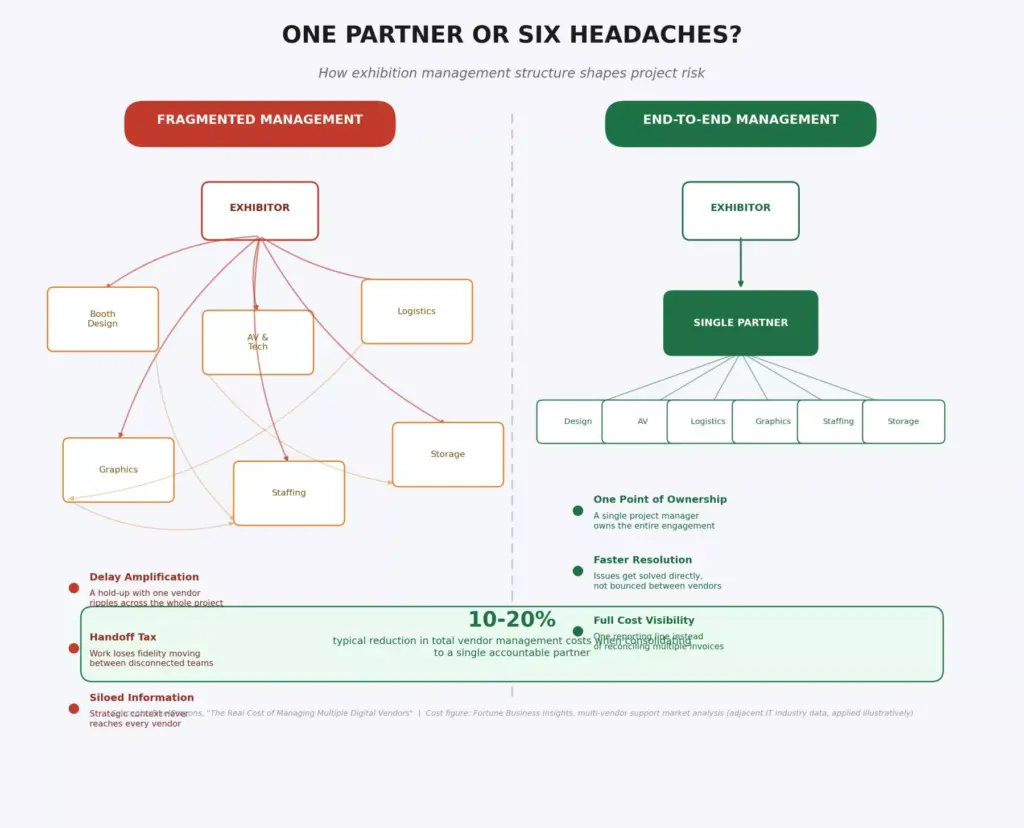
When one company owns all of that, something fundamental changes: accountability. There is no passing the blame between your graphic designer and your stand builder. No miscommunication between your freight company and the installation crew. No version of events where everyone did their part and the stand still wasn’t ready on time.
The Real Cost of Managing It Yourself
According to CEIR’s ‘How the Exhibit Dollar Is Spent’ report, exhibit space alone accounts for roughly 40.5% of total exhibitor spending, the single largest budget category, with exhibit design adding a further 11%. Combined, space and design represent over half of a typical exhibit budget — and that’s before freight, installation labour, travel, and the hours your own team spends coordinating suppliers.
Here’s what that coordination actually costs in practice:
- Time: Managing four or five separate suppliers for a single show takes weeks of back-and-forth that your marketing or events team didn’t budget for. That time comes from somewhere — usually from pre-show marketing, staff preparation, and lead generation strategy.
- Errors: When multiple parties hand off responsibility to each other, things fall through the gaps. Wrong dimensions. Missing components. Artwork sent to the wrong printer. These aren’t hypotheticals — they happen on almost every fragmented build.
- Stress: The week before a major show, the last thing your team needs is to be chasing freight tracking numbers and venue permit approvals. That energy should be going toward client meetings, product training, and show strategy.
Only 37% of exhibitors formally measure trade show ROI after each event, and exhibitors who set measurable goals before the event report 25–30% better outcomes than those who don’t. The irony is that the teams too busy firefighting logistics are often the same ones who never get around to measuring results — which makes it impossible to improve show after show.
What Happens When One Partner Owns Everything
When you hand the entire project to a single experienced contractor, the dynamic changes completely.
One brief. One timeline. One point of contact.
You explain your objectives once. You get updates from one person. If something changes — and something always changes — there’s one call to make, not five.
Design decisions get made with build reality in mind.
One of the most common and expensive mistakes in exhibition stand production happens when a designer creates something that the production team then has to compromise on because of material availability, venue height restrictions, or installation time. When design and build sit under the same roof, that conversation happens internally before anything reaches you — and the stand that gets built actually matches what you approved.
Logistics are planned into the design, not bolted on afterward.
A good end-to-end contractor thinks about how the stand gets from A to B before the first panel is cut. Crate sizes, weight limits, flat-pack possibilities, venue loading dock access — these all shape production decisions. When logistics and production are separate companies, this coordination either doesn’t happen or happens too late.
Problems get solved, not escalated.
On a show floor, things go wrong. A panel arrives damaged. A lighting rig needs repositioning. A last-minute change of venue rules alters the configuration. Your contractor owns the entire project, he has the tools, the crew and the authority to correct it in the field. When they only own part of it, they can tell you what went wrong but not necessarily fix it.
ROI benchmarks show 4–6× expected pipeline on total programme spend for well-run exhibition programmes — and “well-run” almost always means tight coordination from design through to dismantling.
The Shows Where This Matters Most
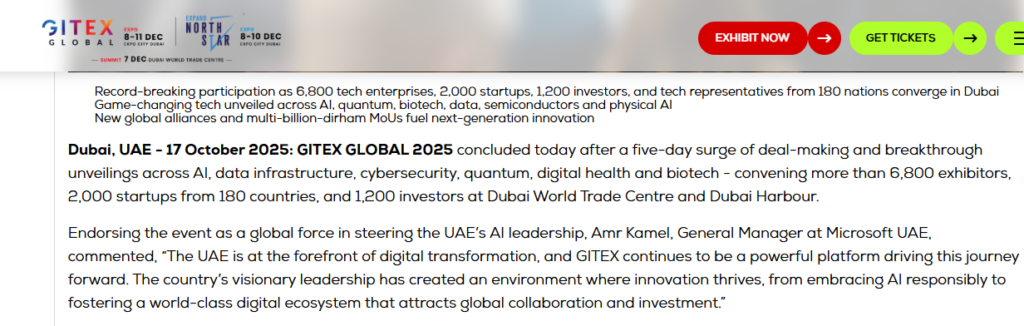
End-to-end management matters at every show, but it becomes absolutely critical at large international venues where the margin for error is zero.
- GITEX Global, Dubai — One of the world’s largest tech trade shows. Venue regulations, multilingual coordination, and compressed build windows mean fragmented management almost always produces problems.
- Hannover Messe, Germany — The scale of this show is unlike anything else in B2B. Freight logistics alone require specialist experience, and German venue regulations are among the most detailed in the world.
- The Big 5, Dubai — Construction and real estate brands from across the globe exhibiting under tight deadlines in a high-scrutiny environment.
- DMEXCO, Cologne — Fast-moving, tech-forward, and brutally competitive on the show floor. A stand that isn’t ready on day one costs you a day you can’t get back.
- Intersec, Dubai — Security and safety industry show where professional presentation directly affects how seriously your brand is taken by procurement teams.
The exhibitor who is calm, prepared and confident at each of these shows is nearly always the exhibitor whose contractor owned the whole process.
What to Look for in an End-to-End Exhibition Stand Partner
Not everyone who claims to offer full-service delivery actually does.
Here’s how to tell the difference:
- Ask who the stand is made by: Do they have their own shop and manufacturing personnel or are they farming the fabrication out to a third party? Through in-house production, we can oversee the quality directly and solve problems faster.
- Ask about their logistics history: Have they ever shipped to your intended venue? Is there a goods partner in that country? One of the biggest causes of show-floor issues is logistics inexperience.
- Ask for references from that particular program: “A contractor who has built at GITEX ten times is going to navigate it very differently to a contractor who is doing it for the first time. Experience of the venue is really important.
- Ask about what happens when things go wrong on site: You can know everything by their answer. A confident full service contractor will describe their onsite supervision method, their contingency plan and what support is available during show hours.
- Ask about post-show: Storage, refurbishment between shows, and asset management for modular systems are often afterthoughts but they directly affect your cost per show over time.
A 30–45% improvement in stop rates from layout changes alone, and a 2.1× brand quality signal from proper lighting — the exhibit category is systematically under-funded relative to its ROI contribution. The same logic applies to management: the investment in proper end-to-end coordination pays back far more than it costs.
Conclusion
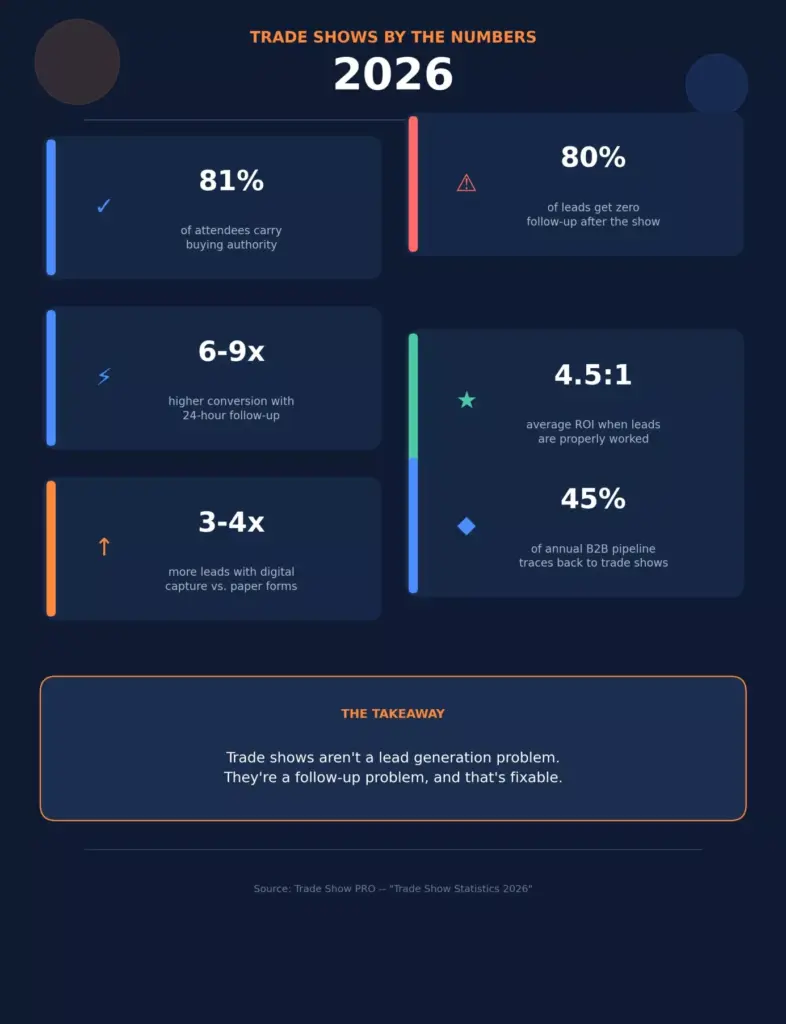
The average trade show generates a 4:6× return on investment when leads are properly followed up. But that return assumes your stand was ready on time, your team wasn’t exhausted from logistics chaos, and your brand showed up looking exactly as professional as you intended.
End-to-end exhibition stand management isn’t a premium service for big budgets. It’s a strategic decision about where you want to spend your energy. Let your stand contractor own the complexity so your team can own the floor.
That’s the difference between showing up and standing out.